
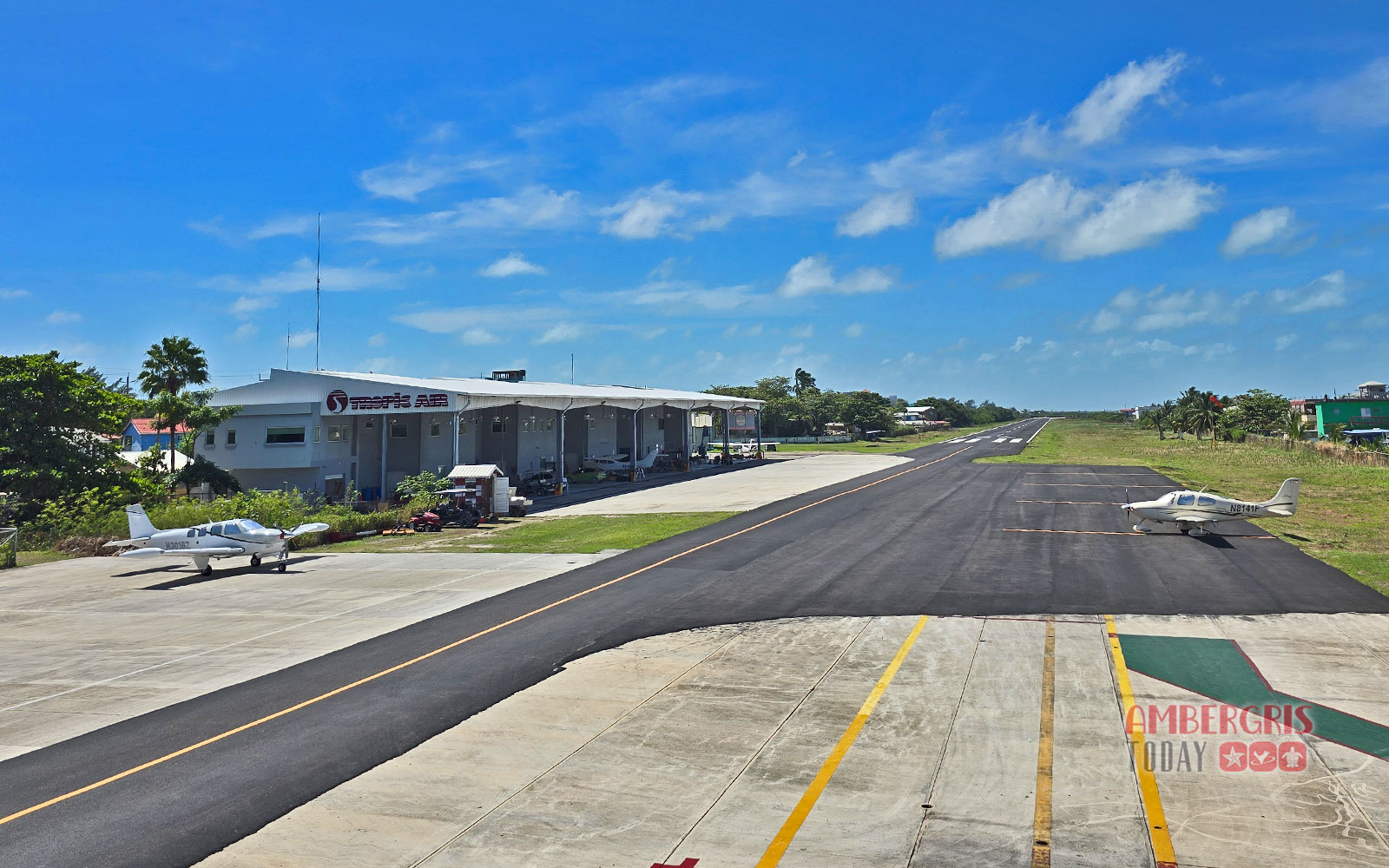
For decades, the John Greif II Municipal Airport has been more than just an airstrip. It has been a gateway to Ambergris Caye, an essential connection to mainland Belize, and an important part of the everyday life and economy of San Pedro Town. Airplanes arriving and departing throughout the day have become as familiar to island residents as golf carts traveling along Coconut Drive. The airport’s location in the heart of town has helped shape the growth of surrounding businesses, hotels, restaurants, transportation services and residential neighborhoods. Now, the possibility of relocating that airport to northern Ambergris Caye, near the Secret Beach area, has sparked serious debate about the island’s future.
An Ambergris Today Special Report | November 2026
Development • Tourism • Environment • Community
The proposed development promises a larger, more modern airport capable of accommodating international flights, private jets and expanded regional air service. Supporters see opportunities for tourism growth, investment and improved aviation infrastructure. But the potential closure of the existing downtown airport raises equally important questions.


What happens to the businesses that depend on the steady flow of arriving passengers? How much more will residents have to pay to travel? Can our already strained roads and utilities handle a major international airport? And what would such a massive development mean for the fragile environment that makes Ambergris Caye one of Belize’s most popular destinations? Perhaps the biggest question is whether San Pedro is prepared for a transformation of this magnitude.
What exactly is being proposed?
According to planning documents associated with the Inter-American Development Bank (IDB), the proposal involves constructing a new airport in northern Ambergris Caye, with the Secret Beach area identified as a preferred location.
A project timetable outlined in a 2025 document envisioned construction beginning in 2027, completion in 2029 and the eventual closure of the existing John Greif II Municipal Airport around 2030. The old airport property could then be redeveloped, with potential proceeds contributing toward financing the new facility or related infrastructure.
The proposed airport has been discussed as a facility capable of accommodating larger aircraft, regional services, charter flights and private aviation. Area Representative Andre Perez previously described plans for a runway approximately 7,000 feet long. However, the project remains uncertain. On October 29, Prime Minister John Briceño clarified that the government has not made a final decision. He explained that the IDB is still conducting studies and that the proposals would need to be reviewed and discussed with airlines, the San Pedro Town Council and other stakeholders before any decision is taken. The government has also not publicly established a complete construction financing package. That distinction matters. A proposed timeline is not an approved construction schedule, and an airport capable of handling international aircraft does not automatically mean regularly scheduled international airline service will follow.
The Potential Benefits: A new Chapter for Tourism (Government Seems to Still Want to Entertain the Idea)
There are legitimate reasons why government officials and tourism stakeholders are exploring the possibility of a larger airport. The existing downtown airport has physical limitations. Surrounded by established development, roads and residential neighborhoods, it has little room to expand its runway or accommodate substantially larger aircraft. A new facility could provide greater operational flexibility, improved passenger facilities and the possibility of accommodating aircraft that cannot currently land in San Pedro.
For international visitors, particularly those arriving on private aircraft or potential future regional flights, direct access to Ambergris Caye could eliminate the need to connect through Philip S.W. Goldson International Airport. That convenience could make the island more attractive to certain tourism markets. A larger airport could also create opportunities for employment in aviation, airport management, security, customs, immigration, maintenance, transportation and hospitality.
Businesses in northern Ambergris Caye could benefit from increased visitor traffic, while investment in new roads, electricity, telecommunications and other infrastructure could improve access to areas that have historically experienced slower development.
There are also potential advantages for downtown San Pedro. Removing airport operations from the town center could reduce certain traffic bottlenecks, free up land for new public uses and create opportunities to rethink how the town is organized. However, these benefits would depend heavily on how the airport is designed, financed, connected to the rest of the island and integrated into the existing economy.
The Biggest Concern: What Happens to Downtown San Pedro?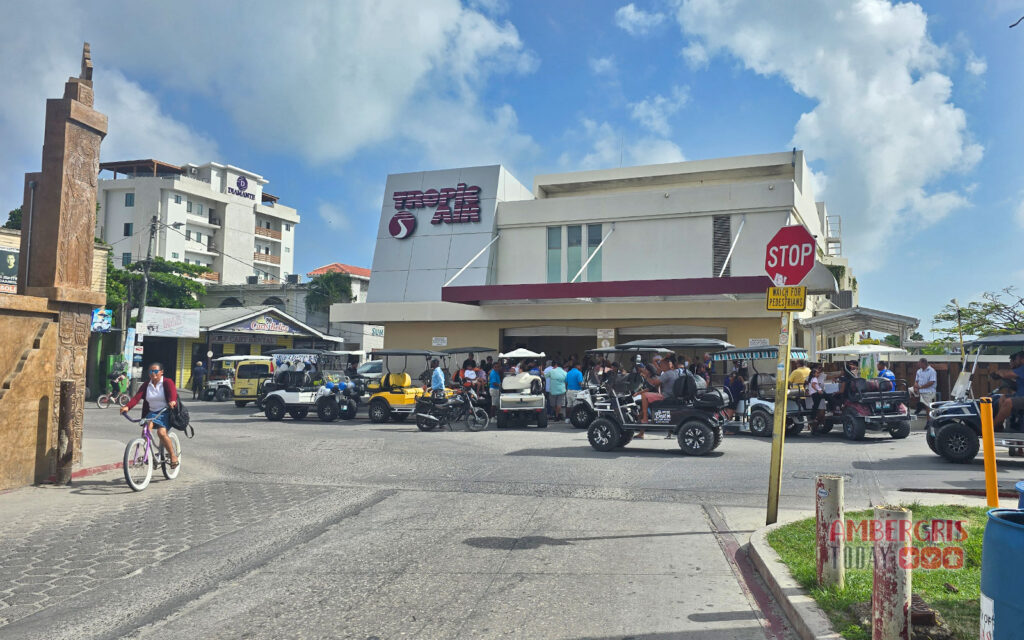
This may be one of the most overlooked consequences of the proposal. For generations, San Pedro’s downtown area has been the commercial and cultural heart of Ambergris Caye. The airport’s central location has contributed to that activity by bringing visitors directly into town. Today, travelers arriving by air are only minutes away from hotels, restaurants, shops, tour operators and other services. Relocating the airport several miles north would change that dynamic.
Instead of arriving in downtown San Pedro, passengers would enter the island through a completely different area. Depending on their accommodations and transportation arrangements, many could bypass the town center altogether. This could gradually shift commercial activity toward northern Ambergris Caye. Businesses near the current airport, including taxi operators, restaurants, convenience stores, golf cart rental companies and smaller accommodations, could lose some of the economic activity generated by airport passengers.
The impact would not necessarily be immediate, and not every downtown business would be affected equally. Much would depend on visitor travel patterns, hotel locations and the transportation system connecting the new airport to town. Still, the concern is valid. If the northern airport encourages more resorts, restaurants, shopping centers and tourism services to develop nearby, downtown San Pedro could face increased competition for investment and visitor spending.
The island could eventually develop two distinct commercial centers, with economic activity becoming more dispersed. That might create opportunities for some businesses while presenting serious challenges for others. The question is not simply whether Ambergris Caye will benefit economically, but who will benefit, and whether longtime San Pedro businesses will share in that growth.
What About the Residents Who Depend on the Airport?
Tourists are not the only people who use the John Greif II Municipal Airport. For residents, air transportation is an essential connection to Belize City and other parts of the country. People travel for medical appointments, business meetings, government services, education, family emergencies and countless other reasons. The current airport’s downtown location makes that travel relatively convenient for many residents.
Moving airport operations north could introduce additional transportation expenses and travel time, particularly for people living in downtown San Pedro, San Pedrito, DFC, San Pablo and the southern communities. A resident who currently lives only minutes from the airport might face a much longer journey before even boarding a flight. That could mean additional taxi fares, increased fuel costs, longer commutes and more complicated travel arrangements. For families who already struggle with the cost of domestic flights, another transportation expense could make flying less accessible.
The situation becomes even more concerning during medical emergencies. Although emergency medical transport arrangements would require separate planning, any relocation must consider how patients, medical personnel and emergency services would access aircraft quickly and reliably. An airport cannot be planned exclusively around tourists and private aircraft. It must continue serving the Belizean families who depend on it.
There is also the question of how domestic airfares might change. A larger airport could involve increased operational costs, landing fees, maintenance expenses and other charges. Whether these would eventually affect ticket prices would depend on the airport’s financial and operating arrangements.
A Possible Solution: Could San Pedro Keep Both Airports?
One option worth examining is whether the existing municipal airport could remain operational for domestic flights while a new northern airport handles international, charter and private aviation. This could preserve the convenience of downtown access for residents and domestic travelers while allowing Ambergris Caye to expand its aviation capabilities. It might also reduce the economic disruption associated with moving all aviation activity away from the town center.
However, operating two airports on the same island would involve additional costs, airspace coordination, regulatory requirements and possible duplication of services. The feasibility of maintaining both facilities would need to be evaluated carefully, including the financial implications for domestic airlines and airport operators. It is nevertheless an alternative that deserves consideration before committing to the permanent closure of the downtown airport.
The Environmental Cost: How Much More Development Can Ambergris Caye Handle?
Ambergris Caye’s greatest asset has always been its natural environment. Our Barrier Reef, beaches, mangroves, wetlands, lagoons and marine ecosystems are the foundation of the island’s tourism industry. They support fishing, diving, snorkeling and thousands of livelihoods. Building an international airport on northern Ambergris Caye would require much more than clearing land for a runway.
Depending on the final site and design, construction could involve substantial land filling, drainage modifications, road expansion, vegetation removal and the installation of major utility systems. These activities could have lasting environmental consequences. Mangroves and wetlands play an essential role in absorbing floodwaters, filtering pollutants, supporting marine life and protecting coastal areas from erosion and storm damage.
Disrupting these ecosystems could affect natural drainage patterns and increase flooding risks in surrounding communities. Construction runoff and sediment could also affect nearby waterways, seagrass beds and marine habitats if not properly managed. There are additional concerns involving aircraft noise, fuel storage, emissions, stormwater contamination and the environmental pressures associated with increased tourism development.
An airport could also encourage more hotels, residential developments, commercial properties and roads in areas that are currently less developed. These secondary impacts could extend far beyond the airport’s physical boundaries. Environmental concerns have already prompted public opposition. In February 2026, an island resident launched a petition questioning the project’s environmental implications and calling for greater transparency, scientific assessment and public consultation.The concerns included pressure on existing utilities, damage to sensitive ecosystems and the long-term sustainability of increased aviation activity.
Importantly, the environmental questions are also reflected in official planning documents. The Belize Tourism Board’s National Sustainable Tourism Master Plan adaptation update specifically recognizes the environmental sensitivity of San Pedro and the high cost of developing a new airport on a low-lying island. That plan recommended retaining the existing airport for at least 15 years while investing in flood protection, traffic management and downtown improvements. This recommendation presents a significant contrast with the newer airport relocation proposals. The competing planning approaches deserve public explanation.
Before any major construction begins, a comprehensive Environmental Impact Assessment should examine not only the airport itself but also the cumulative effects of the roads, utilities, housing, businesses and additional tourism development it could generate.
Infrastructure First: Is San Pedro Ready for an International Airport?
This may be the most important practical question surrounding the entire proposal. An international airport is not simply a runway and terminal. It requires an extensive network of supporting infrastructure to operate safely, efficiently and sustainably.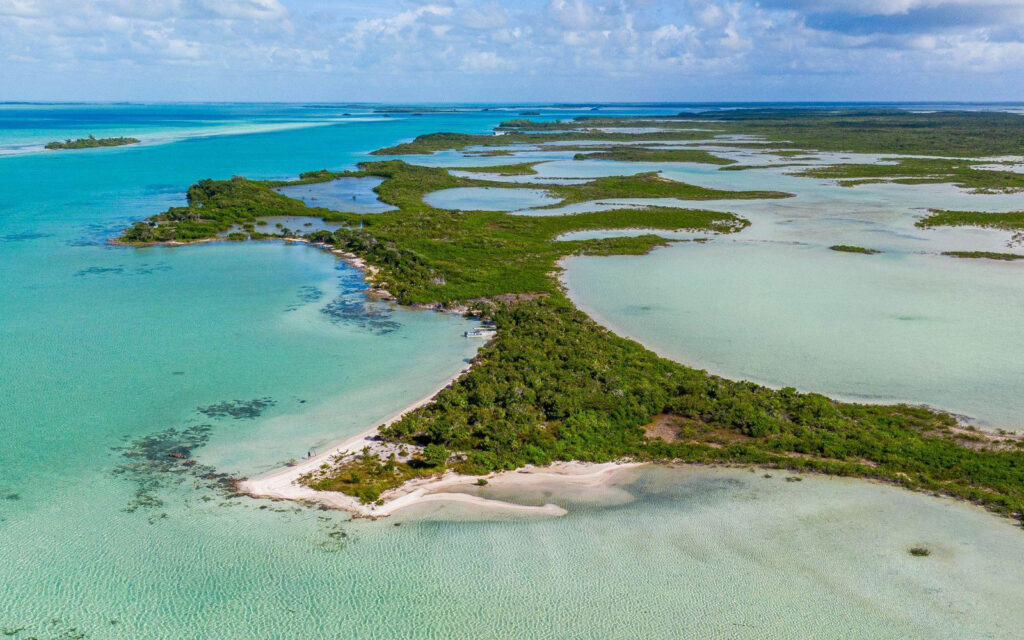
Ambergris Caye already faces challenges involving road congestion, drainage, electricity, water supply, waste management and the growing demand for public services. Introducing a major international airport without addressing these challenges could place additional pressure on systems that are already struggling to keep pace with development. Before proceeding, several critical infrastructure requirements deserve attention.
- A reliable north-south transportation network
A fully developed, all-weather road system would be necessary to connect the proposed airport with downtown San Pedro, southern communities, hotels and emergency facilities. This should include proper drainage, lighting, traffic management and dedicated airport transportation. Planners would also need to determine whether the existing bridge and northern road network could accommodate the increased traffic. - Reliable electricity and backup power
International airports require dependable electricity for runway lighting, navigation equipment, communications, security systems, terminals and emergency operations. Adequate grid capacity, backup generation and resilient electrical infrastructure would be essential. - Water supply, sewage and drainage
Airport operations, hotels, restaurants and surrounding development would increase demand for potable water and wastewater treatment. Modern sewage systems, stormwater management and flood-resistant infrastructure would be critical to protecting both public health and the environment. - Emergency services and healthcare
A larger airport would require specialized firefighting and rescue capabilities, emergency medical response, secure ambulance access and coordination with hospitals. Disaster preparedness must also account for hurricanes, flooding and the possible evacuation of large numbers of passengers. - Aviation safety and international processing
An international facility would need appropriate runway and taxiway design, navigation systems, air traffic services, security screening, customs and immigration facilities, aircraft rescue services and compliance with applicable aviation standards. Fuel handling and storage would require strict safety and environmental controls. - Waste management and public services
Additional visitors and development would increase demand for garbage collection, recycling, wastewater disposal, policing, housing and other municipal services. Planning must account for the needs of the workers and families who would support an expanded tourism economy.
These are not minor considerations that can simply be addressed after construction. They represent major investments that would need to be planned, financed and coordinated alongside the airport itself. The government’s Strategic Plan for Ambergris Caye Sustainable Development recognizes the importance of transportation connectivity, environmental considerations and site suitability when evaluating potential airport locations. It also identifies feasibility studies as a necessary part of the decision-making process.
Who Will Pay for all of This?
Another major unanswered question involves the overall financial cost. The airport itself would represent a substantial investment, but the total cost of supporting roads, utilities, drainage, emergency facilities and other infrastructure could be significantly higher. A 2025 airport business case identified a financing gap that would require government support. The IDB-related process has included assessing private-sector interest in financing and developing the project through a public-private partnership.
This raises important questions about how the development would ultimately be financed. Would the government borrow money? Would a private company build and operate the airport? Would airport users pay higher fees? Would public funds be diverted from other infrastructure priorities?
And if the existing downtown airport property is redeveloped to help finance the project, who would control that land and how would its value be determined? These are questions that deserve clear answers before any binding financial commitments are made. The economic benefits of a new airport should also be measured against the full cost of construction, supporting infrastructure, maintenance and potential environmental mitigation. A project can generate tourism investment while still placing significant financial obligations on government and taxpayers.
What Becomes of the Existing Airport Property?
The possible closure of the John Greif II Municipal Airport opens another major discussion: What should happen to one of the largest remaining pieces of centrally located land in San Pedro?
The property could offer an opportunity to address some of the town’s longstanding problems. Imagine a properly planned public transportation terminal, additional parking, green spaces, recreational areas, improved road connections, community facilities and pedestrian-friendly development. Such improvements could help relieve downtown congestion while providing public spaces that are increasingly scarce in San Pedro.
On the other hand, converting the property primarily into private commercial and residential development could generate more traffic, increase demand for utilities and potentially replace one source of congestion with another.The 2025 planning documents identify redevelopment of the existing airport site as a possible source of funding for the new airport and related investments.
That makes the future of the property an important part of the broader airport debate. Any redevelopment plan would need to consider existing land ownership, legal obligations, public access, infrastructure capacity and the long-term interests of San Pedro residents. The property is too significant to the town’s future for its use to be considered only as a financial component of the airport project.
Will a Bigger Airport Mean more Tourists, or Simply a Different Kind of Tourism?
The promise of expanded tourism is one of the strongest arguments being made for the proposed airport. Direct international access could create opportunities to attract new markets, including private aviation, luxury travelers and regional visitors.
But a larger airport does not automatically guarantee a corresponding increase in tourist arrivals. Airlines make decisions based on passenger demand, operating costs, route profitability and the availability of suitable aircraft and airport facilities. There would also be a need to examine whether additional international air service to Ambergris Caye would attract genuinely new visitors to Belize or simply redirect passengers who would otherwise arrive through Philip S.W. Goldson International Airport.
The distinction matters because the national economic benefits could differ significantly. Another consideration is the type of tourism development the island wishes to encourage. A growing luxury tourism market may generate substantial investment and spending, but the benefits are not automatically distributed evenly throughout the local economy.
Large resorts with their own restaurants, transportation services and recreational facilities may capture a greater share of visitor spending within their properties. Smaller hotels, local restaurants, independent tour guides, artisans and downtown businesses could face greater competition if visitors spend less time exploring the wider community.
At the same time, improved accessibility could support new businesses and create employment opportunities for Belizeans. The outcome would depend on tourism policy, local business participation, transportation connectivity and the extent to which future development encourages visitors to experience the island beyond their accommodations. The question is not only how many more visitors Ambergris Caye can attract, but how increased tourism would affect the quality of life of its residents and the environmental resources visitors come to enjoy.
Can San Pedro Maintain its Identity through such a Major Change?
There is also a cultural dimension to this debate. San Pedro has evolved tremendously from the small fishing village many longtime residents remember. The sandy streets, wooden homes and quiet waterfront have given way to paved roads, condominium developments, resorts, restaurants and an increasingly busy commercial center.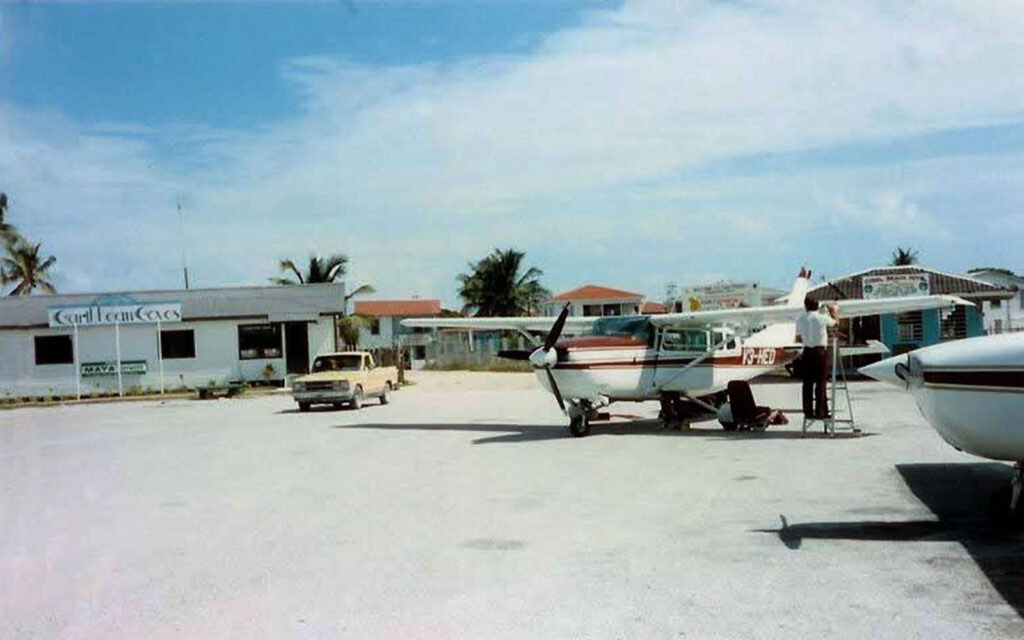
Much of that growth has created opportunities, improved services and contributed to the island’s prosperity. But it has also brought challenges involving congestion, housing affordability, environmental degradation and the gradual transformation of traditional neighborhoods.
Relocating the airport could accelerate another major shift in the island’s development. Northern Ambergris Caye could become an even stronger center for tourism and commercial investment, while downtown San Pedro may need to redefine its role in the island’s economy. The change could also affect the sense of community that has historically distinguished San Pedro from larger tourism destinations. The challenge would be ensuring that economic growth does not come at the expense of the island’s cultural heritage, local businesses and accessibility for Belizean residents.
The Importance of Public Consultation
Perhaps one of the clearest lessons emerging from the public discussion is the need for greater transparency. A project of this magnitude would affect virtually everyone living and working on Ambergris Caye. Residents, business owners, tourism stakeholders, environmental organizations, domestic airlines, taxi operators, property owners and community groups all have legitimate interests in the outcome.
The public should have access to the studies, proposed site plans, financial assessments, environmental findings and alternative options being considered. Consultation should not simply involve presenting a completed project to residents. It should provide opportunities for meaningful participation before the most consequential decisions are made.
In his October 29 remarks, Prime Minister Briceño indicated that further discussions with airlines, the Town Council and other stakeholders would take place after the IDB’s studies are completed. That process offers an opportunity to address the many unanswered questions and examine alternatives, including maintaining domestic aviation operations downtown.
So, Can San Pedro Survive Moving its Airport?
San Pedro has survived hurricanes, economic downturns, the collapse of traditional industries, the COVID-19 pandemic and decades of rapid transformation. Its people have demonstrated an extraordinary ability to adapt, rebuild and create opportunities. There is every reason to examine how that adaptability could help the community navigate another major transition. But relocating an airport is not a minor infrastructure adjustment.
It would change the way people enter and leave the island, influence where businesses develop, affect travel costs for residents and potentially reshape the geography of tourism on Ambergris Caye. A new international airport could bring investment, employment and greater connectivity. It could also introduce higher costs, environmental pressures and economic disruption for established communities.
The scale of those impacts remains uncertain because key feasibility, financial, environmental and transportation details have not yet been publicly established. San Pedro’s future therefore depends on much more than the location of a runway. It depends on the quality of the planning, the protection of the environment, the strength of the supporting infrastructure and the extent to which local residents and businesses are included in the process.
The bigger question may not be whether San Pedro can survive moving its airport, but what kind of San Pedro will emerge if that move takes place. Will it be a more connected, better-planned island where tourism growth improves opportunities for everyone? Or will it become an island where development moves faster than the infrastructure, environment and communities can comfortably support?
Those are questions that deserve careful study and open public discussion before any irreversible decisions are made. Because ultimately, Ambergris Caye’s greatest strength has never been its airport, its resorts or its newest developments. It has always been its people, its community and the natural beauty that makes this island special. And whatever direction San Pedro takes, those are the things that must remain central to its future.
San Pedro Town Council Opposes Closure of Downtown Airport, Including San Pedro Tourism Industry Stakeholders