

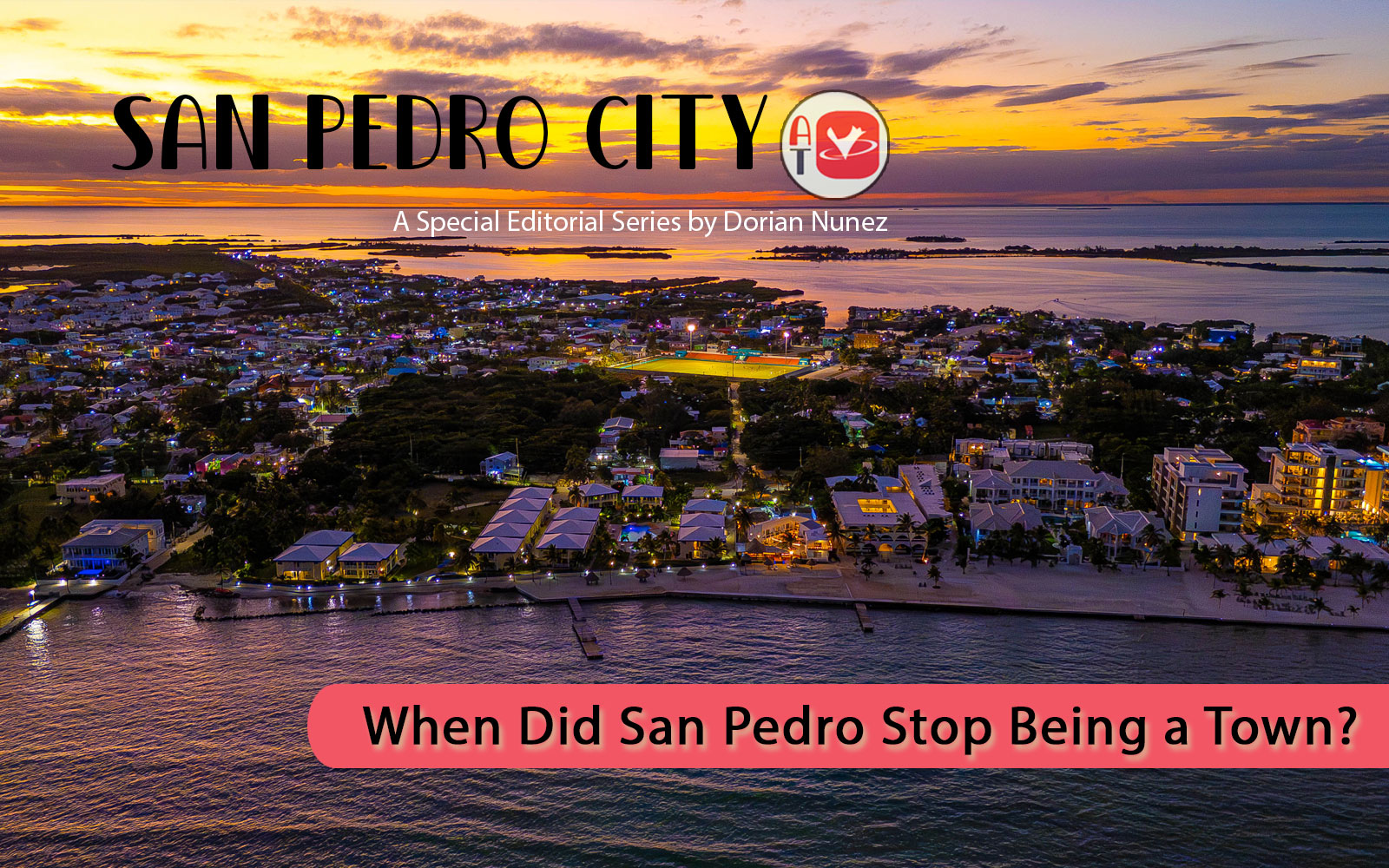
There was a time when everyone knew everyone in San Pedro; a time when bicycles outnumbered golf carts, when the streets were made of white sand, and when children could walk from one end of town to the other without much concern about traffic. The village was small, close-knit, and centered around fishing, family, and community.
Back then, nobody questioned what San Pedro was. It was a village…Then it became a town. But today, I find myself asking a different question: When did San Pedro stop being a town? Because whether we officially recognize it or not, San Pedro has evolved into something much bigger.
This article is the first in a series I am calling “San Pedro City”, a look at how our island community has grown into one of the most important economic, tourism, and residential centers in Belize. The purpose is not necessarily to argue that San Pedro should officially become a city tomorrow, but rather to explore a reality many of us witness every day.

San Pedro has outgrown the image of a small town.
Take a drive through the island today.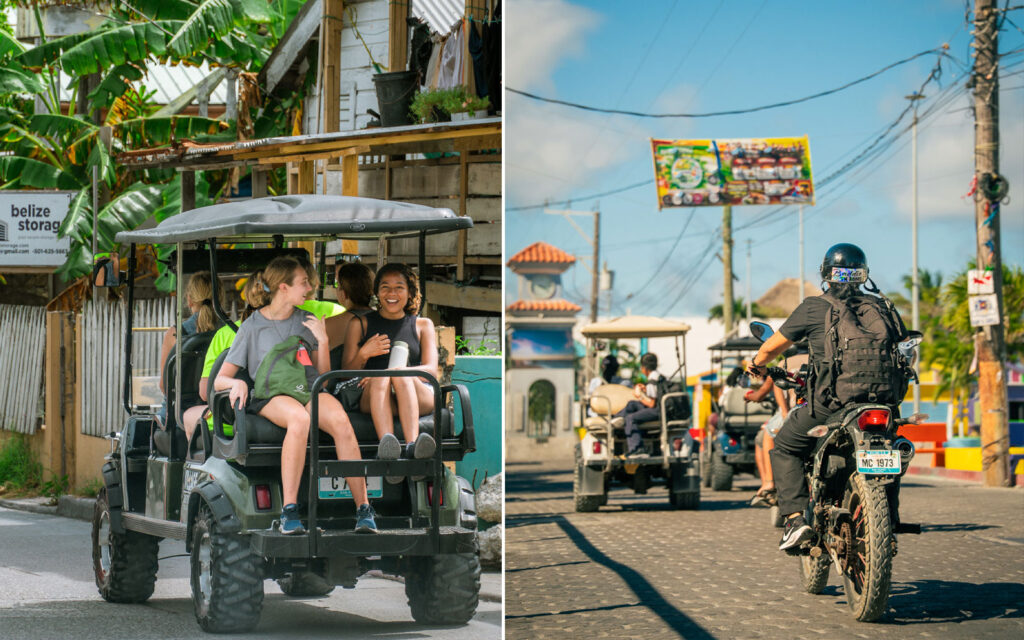
From Boca del Rio to San Pedrito, from DFC to Escalante, from San Mateo to Secret Beach and beyond, development seems to stretch farther every year. New neighborhoods continue to emerge, businesses continue to open and residential communities continue to expand.
What was once a compact settlement centered around Front Street has become a thriving island community with multiple residential and commercial hubs. Our population alone tells an interesting story. While exact numbers vary depending on the source, San Pedro’s population now rivals and in some estimates exceeds that of Belmopan, Belize’s capital city. Yet unlike Belmopan, which was purpose-built to serve as the nation’s administrative center, San Pedro’s growth happened organically through tourism, entrepreneurship, and opportunity.
San Pedro City: With Growth Comes Complexity
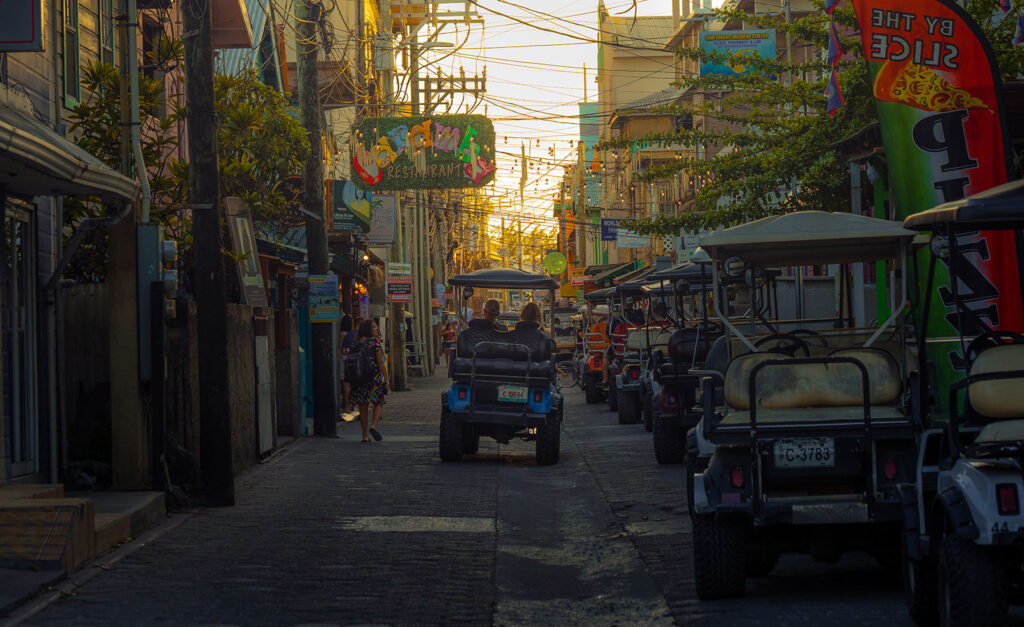
People continue to move here from all over Belize; they come from Corozal, Orange Walk, Belize City, Cayo, Stann Creek, Toledo, and beyond. Many arrive seeking employment, business opportunities, or a better quality of life. Others come from abroad and choose to make Ambergris Caye their home. The result is one of the most diverse and dynamic communities in the country. And with that growth comes something else: complexity.
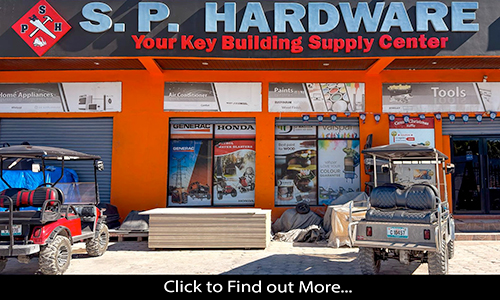
San Pedro today supports schools, healthcare facilities, government offices, banks, supermarkets, hardware stores, construction companies, real estate firms, transportation services, tour operators, professional offices, and hundreds of small businesses.
Many residents can live, work, shop, bank, attend school, receive healthcare, and enjoy recreation without ever leaving the island. That sounds less like a town and more like a city. Of course, growth has also brought challenges. Traffic congestion, housing demands, water distribution, sewage infrastructure, waste management, beach erosion, zoning concerns, and public safety are all issues that accompany a growing urban center. These are conversations we are now having because San Pedro has become a much larger community than it was ever originally designed to be.
And perhaps that is why the question matters, not because of a title; not because of a sign welcoming visitors to “San Pedro City”, but because recognizing what San Pedro has become helps us better plan for what comes next. If we continue thinking of San Pedro as a small town, we risk planning for yesterday instead of preparing for tomorrow.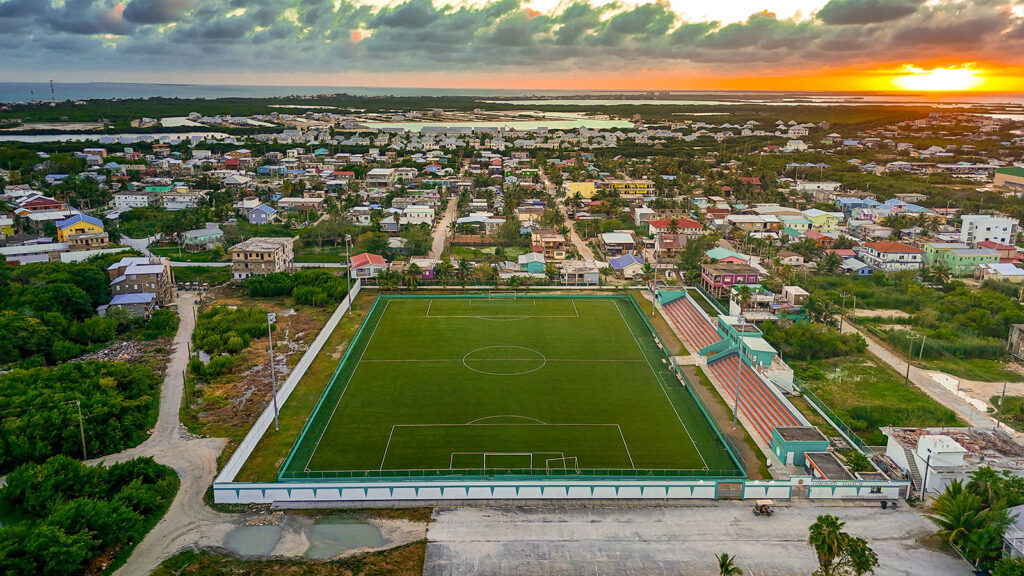
The reality is that San Pedro has become the tourism capital of Belize. It is one of the country’s strongest economic engines and a place where opportunity attracts people from every corner of the nation and beyond.
Whether we officially call it a city or not, the island has already begun to function like one. In the coming weeks, we’ll take a closer look at the many pieces that make up what I call “San Pedro City”, from population growth and booming neighborhoods like DFC, to our incredible restaurant scene, tourism industry, infrastructure challenges, traffic concerns, and the opportunities that lie ahead.
For now, I’ll leave you with the question that started this conversation: “If someone visited San Pedro for the very first time today, would they describe it as a town or would they see what many of us are beginning to realize? That somewhere along the way, San Pedro became something much bigger. #sanpedrocity




One Response
Just a comment: this is the first time I’ve seen an overhead shot of Ambergris Stadium and I’m shocked at the narrow-mindedness of ONLY putting seating on one side of the stadium.