

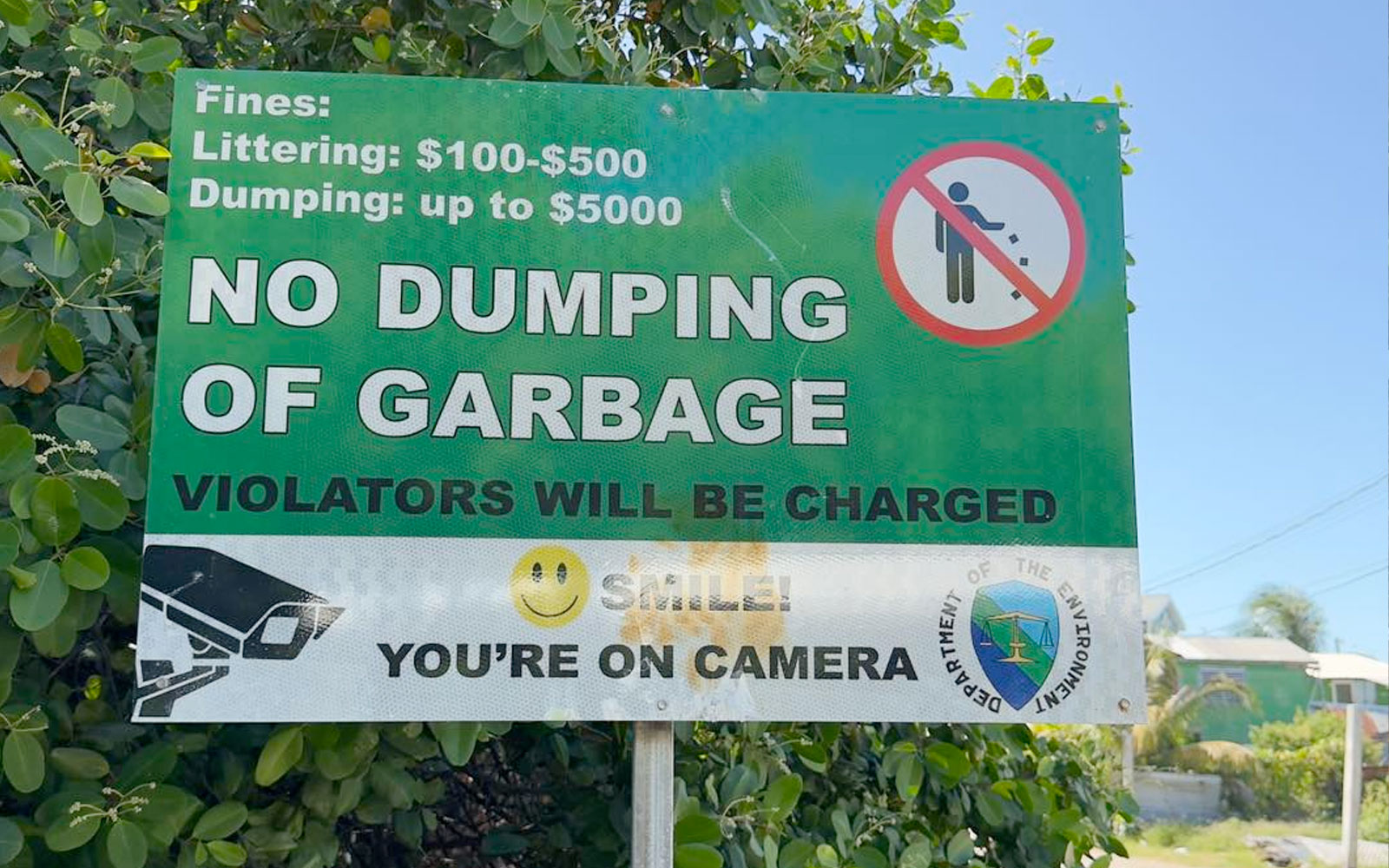
San Pedro is stepping up its fight against illegal dumping and littering, sending a clear message across the island: keeping La Isla Bonita clean is everyone’s responsibility. With rapid development, a growing population, and increasing tourism placing added strain on infrastructure, garbage management has become one of the island’s most pressing challenges. From overflowing bins to construction debris and illegal dumping sites, the issue has become more visible and more urgent.
Now, the San Pedro Town Council is taking stronger action.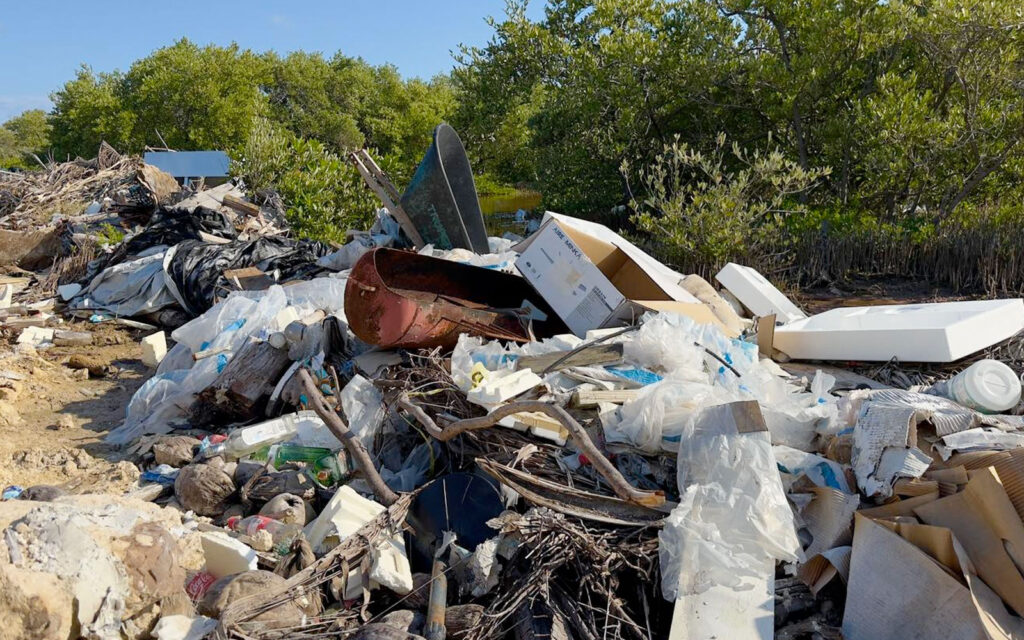
Cameras, Fines, and Zero Tolerance
In its latest move, the Town Council announced the installation of special surveillance cameras at known illegal dumping hotspots. The goal is simple: identify offenders and hold them accountable. This step builds on the Council’s ongoing “Clean It or Tek Yuh Ticket” campaign, where fines ranging from $100 to $500 for littering and $5,000 for illegal dumping are already being issued for improper waste disposal.


The message is getting louder: enforcement is no longer optional, it’s necessary. “We all want a clean home,” the Council emphasized, calling on residents and businesses alike to do their part in protecting the island.
Following a National Push Against Illegal Dumping
San Pedro’s actions are not happening in isolation. They align with a broader, nationwide crackdown being led by the Government of Belize. During a recent budget debate, Minister of Sustainable Development Orlando Habet made it clear that illegal dumping across the country is being targeted aggressively. “The days of irresponsible dumping must come to an end,” he stated, outlining plans for increased enforcement, expanded waste services, and the installation of surveillance cameras across the country.
A recent national assessment identified over 400 illegal dumpsites, with the highest concentration in the Belize District, making San Pedro a key area of focus. The government is also backing these efforts with increased funding, including a $2 million budget allocation to strengthen waste management systems, expand transfer stations, and double enforcement capacity through additional personnel.
For San Pedro, this means more than just policy; a stronger enforcement presence is expected on the island, working alongside the Town Council to identify dumping sites, monitor compliance, and carry out cleanup operations.
At the same time, structured garbage collection schedules, improved waste handling systems, and the anticipated northern transfer station are all part of a larger plan to improve efficiency. While enforcement is tightening, the Town Council continues to stress that real, lasting change depends on the community.
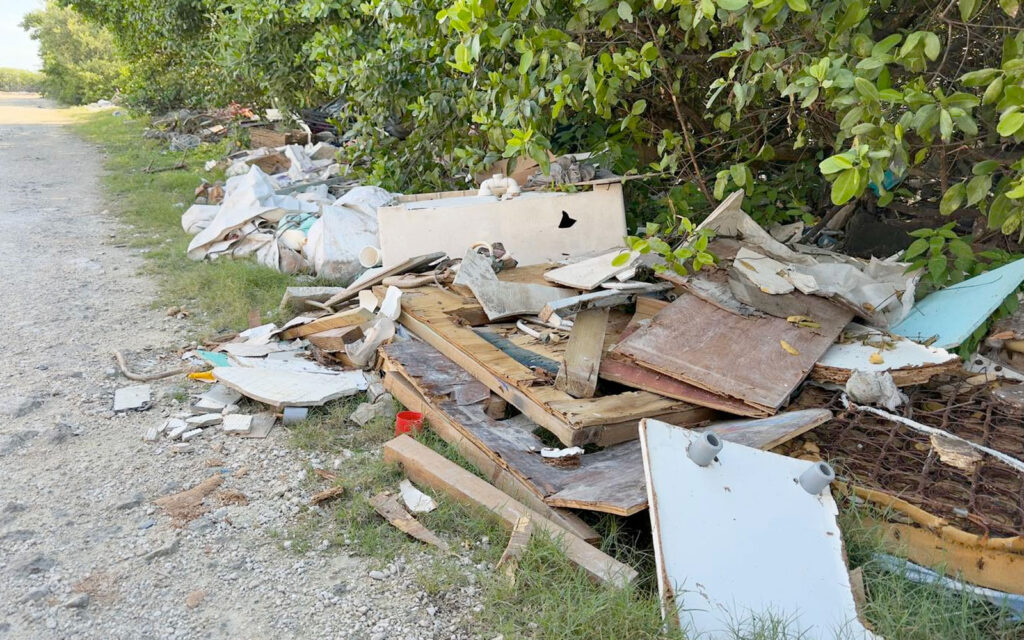
Volunteer groups like the Ambergris North Alliance have been actively supporting cleanup efforts, removing plastic waste and sargassum from beaches and roadsides. These efforts highlight what’s possible when the community comes together, but also underline how much more needs to be done.
Improper garbage disposal doesn’t just create an eyesore. It pollutes waterways, damages marine life, contributes to beach erosion, and threatens the very tourism industry that sustains the island. San Pedro is at a critical moment and the combination of stronger local enforcement and national support presents a real opportunity to tackle the garbage problem head-on. But it will take cooperation, from residents, businesses, and visitors alike.
Properly bagging waste. Following collection schedules. Avoiding illegal dumping. Simple actions that make a big difference. Because in the end, protecting San Pedro isn’t just about keeping things clean. It’s about preserving the beauty, health, and future of the island we all call home. The crackdown has begun. Now it’s up to all of us to make it work.