

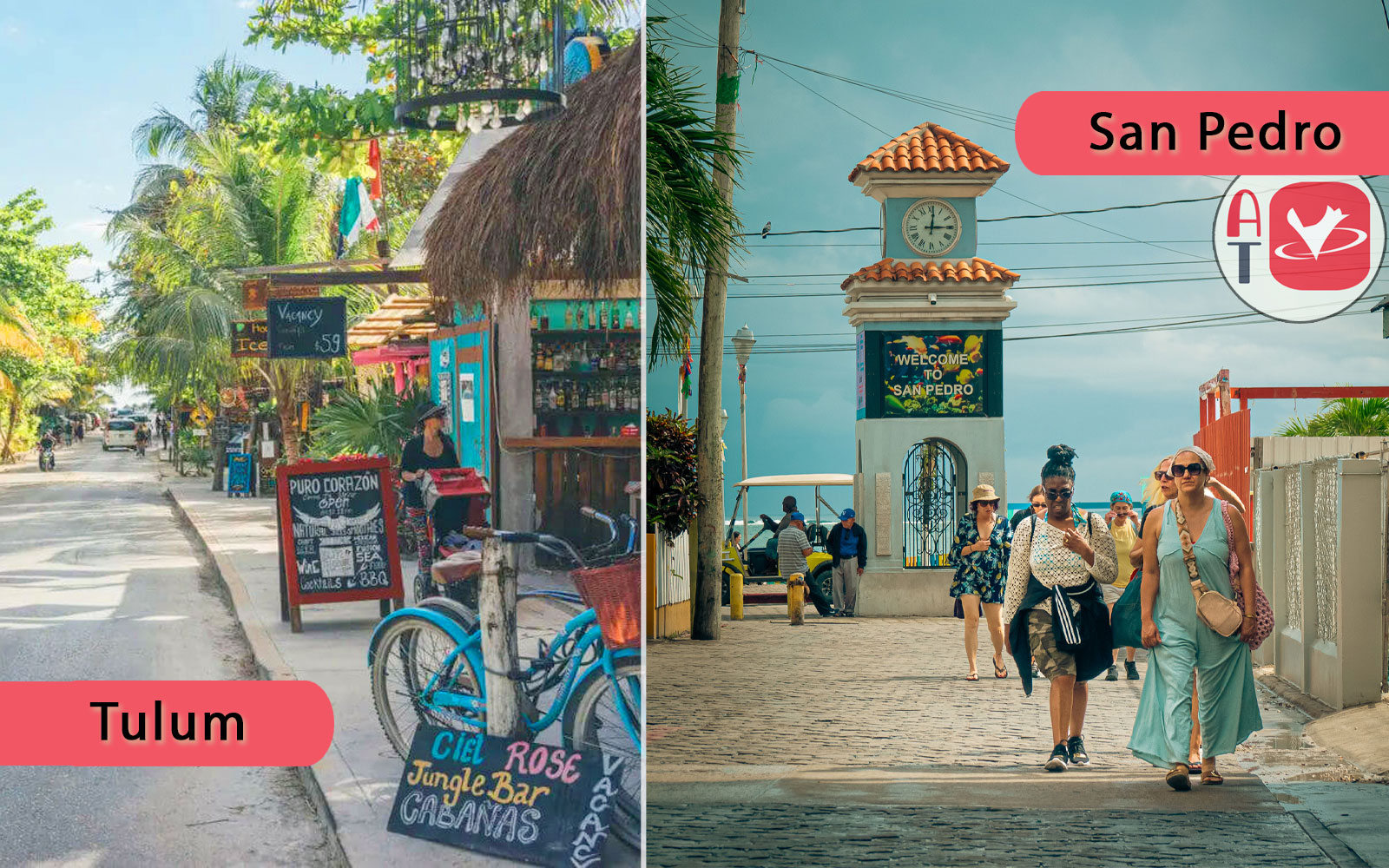
For years, Tulum was held up as one of the great tourism success stories of the Caribbean coast. It had everything people wanted. Beautiful beaches, turquoise water, ancient Maya history, boutique hotels, trendy restaurants, wellness retreats, nightlife, and that rustic, barefoot atmosphere travelers were desperate to experience. Then Tulum became too successful for its own good.
The small coastal community grew at an incredible pace. Hotels multiplied, real estate prices soared, luxury developments pushed farther into the surrounding environment, and prices climbed to levels that many visitors and residents could no longer justify.
Now, Tulum is facing a tourism slowdown that should make every destination dependent on visitors pay attention. And here in San Pedro, Ambergris Caye, we need to ask an uncomfortable question: Are we beginning to follow the same path?

When Paradise Becomes Too Expensive
One of the biggest complaints coming out of Tulum has been the cost. Visitors began reporting expensive hotel rooms, costly meals, high beach-club minimums, and taxi fares that seemed unreasonable for short distances. Eventually, tourists started asking whether the experience was worth the price.
That is a dangerous question for any destination. San Pedro is still loved by visitors from around the world, but we are hearing similar concerns. Hotel stays have become increasingly expensive. Dining out can be costly, particularly for families. Taxi fares are often questioned by visitors, especially when there is no clearly displayed or consistently followed rate structure. Even locals feel the pressure.
The cost of groceries, rent, construction, utilities, transportation, and basic services continues to rise. For many working people, salaries have not kept pace with the cost of living. Tourism is supposed to improve the lives of the people who live in a destination. But when the people serving the industry can no longer afford to live comfortably in their own community, something is wrong.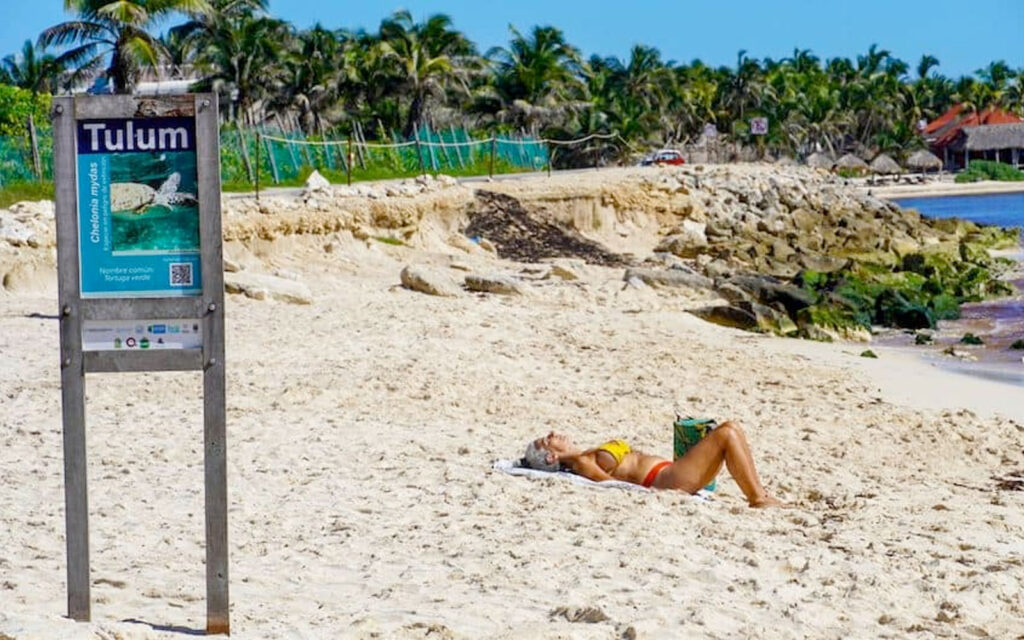
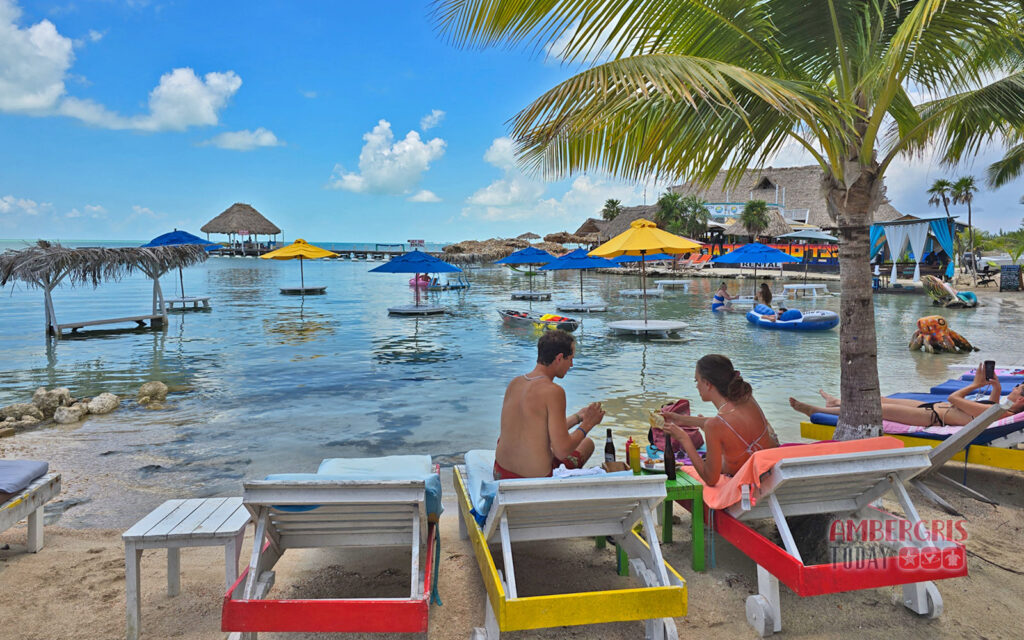
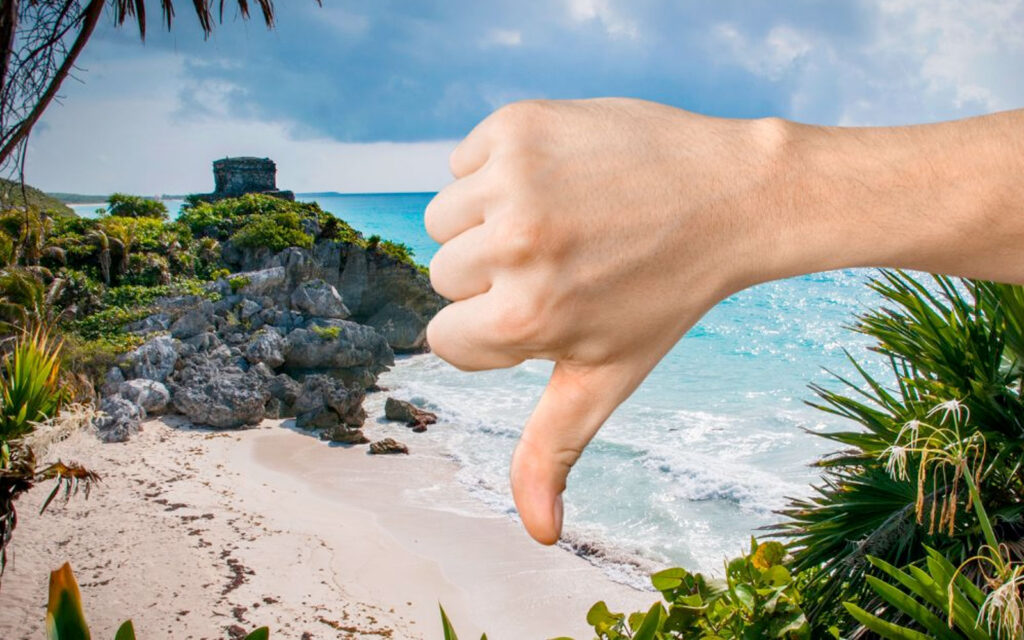
(left) Tulum beaches run empty (pic by Mexico News daily), while Secret Beach (right) still being the hotspot in San Pedro
The Real Estate Boom and the Local Squeeze
Real estate development has transformed both Tulum and Ambergris Caye. There are positives: construction generates employment, investment creates business opportunities, and new properties expand the tourism product. But rapid development without proper controls can also price residents out of their own home.
Property values on Ambergris Caye have climbed dramatically, especially along the beachfront, north of San Pedro, and around rapidly growing areas such as Secret Beach. For many young San Pedranos, purchasing a piece of land on the island where they were born is becoming nearly impossible. Meanwhile, high-end condominiums, vacation rentals, resorts, and investment properties continue to appear.
We must ask who this development is ultimately serving. Will the next generation of San Pedranos be able to own property here? Will they be pushed farther into overcrowded or poorly serviced subdivisions while prime areas are reserved for those who can afford luxury prices?
Growth should create opportunity for local people, not slowly remove them from the picture.
Avoiding Tulum’s Mistakes
Are We Losing What Visitors Came to Find?
People did not originally fall in love with Tulum because it was crowded, expensive, or covered in luxury developments. They went because it felt natural, different, peaceful, and authentic. The same is true for San Pedro. Visitors fell in love with our island because of its people, our reef, our culture, our sandy streets, our wooden homes, our fishing heritage, and our friendly, easygoing way of life.
But development is changing the face of Ambergris Caye at an alarming speed. More mangroves are being cleared. More large buildings are appearing. Traffic is getting heavier. Garbage remains a constant struggle. Roads cannot keep up. Water, sewage, electricity, drainage, and public services are under increasing pressure.
We proudly market La Isla Bonita, but we must be careful that we do not develop away the very charm that made it bonita. Tulum’s experience shows what can happen when a destination’s image becomes more important than the actual quality of the experience.
A beautiful social-media post may attract a visitor once. It will not bring them back if they encounter excessive prices, traffic congestion, poor roads, garbage, bad service, uncontrolled development, and beaches they cannot comfortably enjoy.
The Sargassum Reality
Then there is sargassum. Tulum and San Pedro share the same Caribbean beauty, but we also share the same growing environmental threat. Massive sargassum landings have affected beaches throughout the region, producing foul odors, damaging coastal ecosystems, placing huge financial pressure on hotels and municipalities, and changing the visitor experience.
San Pedro has made important efforts. The Town Council, government agencies, hotels, restaurants, and private property owners have invested in cleanup crews, barriers, equipment, transportation, and beach restoration.
But we remain mostly reactive.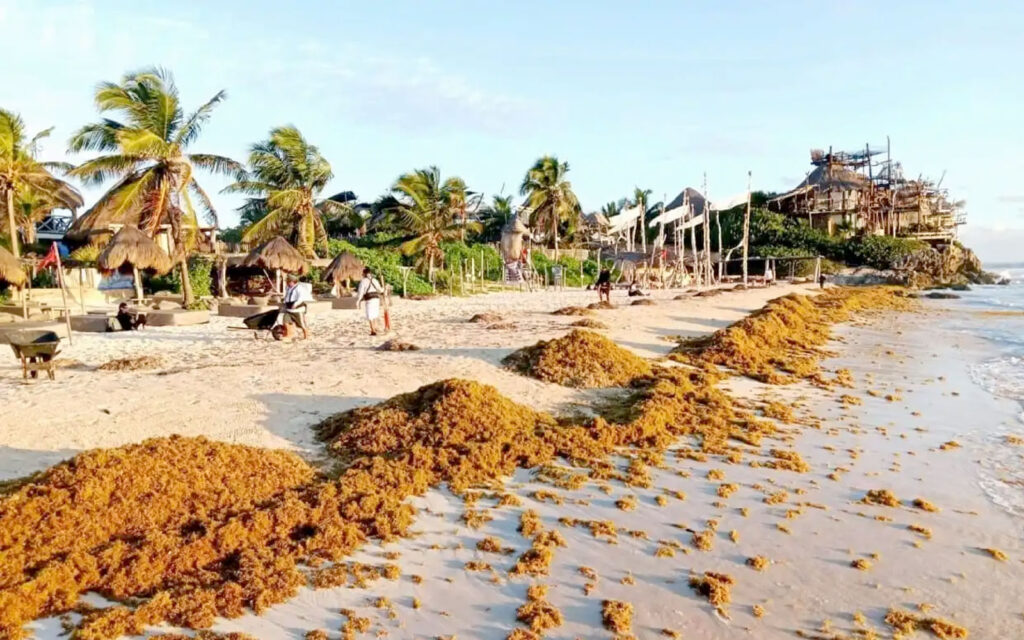
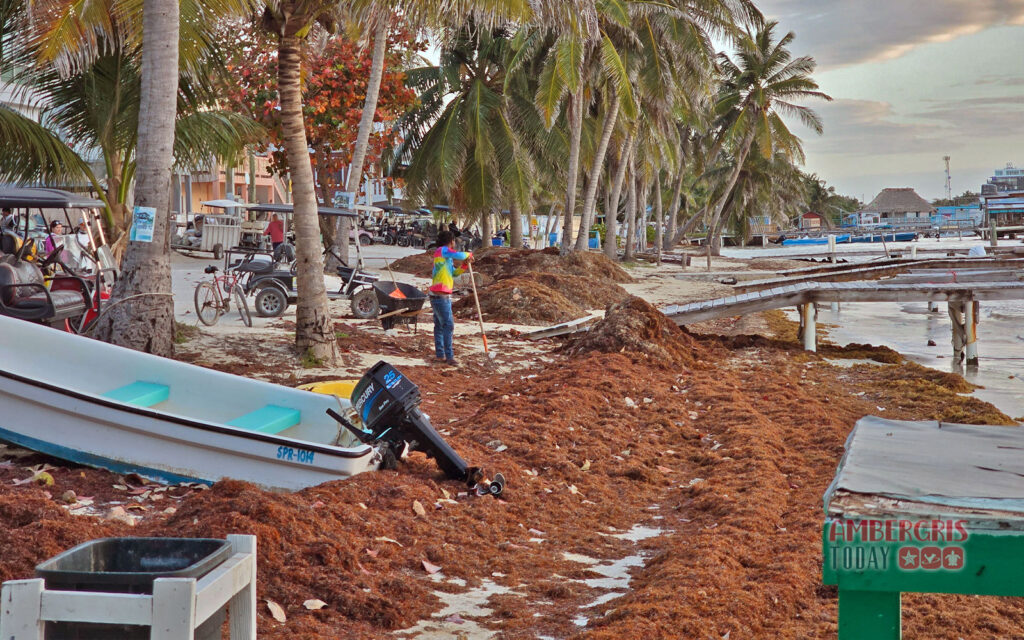
Tulum and San Pedro shorelines plagued endless sargassum
Every year, we wait for the sargassum to arrive and then scramble to remove it. If the forecasts continue to worsen, cleanup alone will become increasingly expensive and difficult.
Belize needs a national strategy that includes offshore interception, scientific monitoring, safe disposal, processing facilities, private-sector partnerships, and realistic funding for the communities most affected. We cannot continue expecting island businesses and municipalities to carry a regional environmental crisis almost entirely on their own.
Infrastructure Must Come Before More Growth
This is where the Government of Belize must pay close attention. There are ambitious plans for Ambergris Caye, including a new international airport in the north, road expansions, marina development, additional hotels, residential projects, and major tourism investments. These projects may bring tremendous opportunity, but should we continue accelerating development before providing proper water, sewage, roads, drainage, electricity, waste management, healthcare, policing, traffic management, and zoning?
Are we building the next phase of Ambergris Caye on top of infrastructure that is already struggling?
Government cannot simply approve projects, collect revenue, and assume the island will somehow absorb the impact. San Pedro and Caye Caulker are repeatedly described as major generators of Belize’s tourism income. If that is true, then a meaningful portion of that revenue must return to the communities producing it, not as occasional beautification projects, not as promises, but as sustained investment in the systems required to keep the islands livable and competitive.
Tourism Cannot Be Only for the Wealthy
Another lesson from Tulum is the danger of becoming a destination aimed almost exclusively at wealthy travelers. There is nothing wrong with luxury tourism. It creates jobs, attracts investment, and can generate strong revenue. But a healthy destination should offer something for different budgets. San Pedro has traditionally welcomed backpackers, Belizean families, divers, fishermen, honeymooners, retirees, luxury travelers, and day visitors. That diversity gives our tourism industry strength.
When everything becomes expensive, we shrink our own market. Belizeans should still be able to vacation in San Pedro. Families should be able to enjoy a meal without feeling punished by the bill. Visitors should be able to find affordable accommodations alongside luxury options. A destination becomes vulnerable when it prices out the very people who helped make it popular.
We Still Have Time: I do not believe San Pedro is doomed to become another Tulum, but I do believe the warning signs are there.
- Rapid real estate growth
- Rising prices
- Residents struggling to afford property
- Increasing traffic
- Infrastructure falling behind
- Environmental pressure
- Expensive transportation
- Sargassum
- Overdevelopment
- The gradual loss of open spaces and island character
These similarities should not be ignored.The good news is that San Pedro still has something extremely valuable: time to learn from the mistakes of others. We can enforce meaningful zoning. We can protect mangroves and public beach access. We can regulate traffic and transportation rates. We can invest in sewage, drainage, waste management, and clean energy. We can support Belizean ownership and create pathways for young residents to purchase land and homes. We can demand responsible development instead of approving everything that arrives with an impressive rendering and investment figure.
Most importantly, we can remember that tourism is not simply about bringing more people. It is about creating an experience people value enough to return to, while protecting the quality of life of those who live here year-round.
Protecting the Island Before the Visitors Stop Coming
Tulum did not lose its beauty overnight. Its problems built slowly, one overpriced service, one poorly planned development, one restricted beach, one environmental problem, and one disappointed visitor at a time. San Pedro must not wait until restaurants are empty, hotel occupancy drops, businesses begin closing, and social media starts declaring that the island is no longer worth visiting. By then, rebuilding trust becomes much harder.
Our success cannot be measured only by the number of new hotel rooms, condominiums, flights, or visitors arriving each year. It must also be measured by clean beaches, affordable living, reliable utilities, safe streets, protected natural resources, satisfied residents, and visitors who leave wanting to return. San Pedro does not have to become the next Tulum, but avoiding that future will require government, developers, businesses, and residents to act now.
Because paradise can survive growth. What it cannot survive is growth without limits, planning, or respect for the people and natural beauty that made it successful in the first place.








3 Responses
Not only is there overdevelopment of high-end condominiums, vacation rentals, resorts, and investment properties, but OMG, there’s a new hardware store or grocery store on every vacant lot!! Enough already!
Excellent, if uncomfortable, points. Very well done.
San Pedro and the leaders of Belize have no one to blame but themselves. I own in San Pedro and MANY of my guests as well as random tourists I talk to, WILL NOT come back. Visible destruction and garbage are the biggest reason, Big trucks with ignorant drivers second and taxi drivers third.