

There was a time when a power outage in Belize was an inconvenience. The lights went out, we complained for a little while, waited for BEL to fix the problem, and life continued. Today, it feels different.
Power outages have become frequent enough that Belize Electricity Limited is now talking about load shedding as part of our everyday vocabulary. We receive notices telling us which communities may lose electricity and when. Businesses prepare generators, families charge their devices whenever electricity is available, and people wonder whether tonight will be another night spent in darkness and heat.
That should concern every Belizean.


The nationwide blackout on Tuesday, August 25, exposed just how vulnerable our electricity system has become. According to BEL, electricity being supplied by Mexico’s Comisión Federal de Electricidad (CFE) was temporarily lost at 7:28 p.m. because of problems within the Mexican power system. At that moment, Belize had approximately 103 megawatts of available domestic generation, while evening demand had reached approximately 122 megawatts.
We were short by around 19 megawatts.
BEL’s grid protection system responded by shedding load in different parts of the country in an attempt to stabilize the national grid. CFE supply was not restored until 10:54 p.m. BEL also acknowledged that local generation remains constrained because some renewable sources are affected by seasonal conditions, while other generating units are undergoing maintenance or operating at reduced capacity.
Think about what that means. When Mexico experienced a problem, Belize simply did not have enough available electricity of its own to meet demand. That is not merely a power outage problem. That is an energy security problem.
We Have Become Too Dependent on Mexico
There is nothing inherently wrong with purchasing electricity from Mexico. In fact, Belize has benefited greatly from its connection to the Mexican grid since 1998. CFE can provide Belize with up to approximately 55 MW of capacity, making imported electricity an important part of our national energy mix. BEL itself reported that peak demand reached 132.3 MW in 2025, demonstrating how much electricity our growing country now requires.
The problem is not that we buy electricity from Mexico; the problem is what happens when Mexico cannot sell it to us. We have already been warned about this vulnerability. BEL’s own 2024 annual report stated that Mexico substantially reduced electricity exports to Belize between April and June of that year because CFE was experiencing generation shortages during its own evening peak periods. Belize had to compensate by increasing expensive fossil-fuel generation.
Two years later, we are experiencing the same vulnerability.
In June of this year, BEL again warned customers that problems with CFE supply, combined with limited local generation, could force additional load shedding. Now August has brought another major disruption. At what point do we stop calling this an unexpected situation and start accepting that it is a structural weakness in our electricity system?
Mexico has its own growing population, industries, heat waves and increasing electricity demand. When its grid is under pressure, Mexico will understandably prioritize its own consumers. Belize cannot build its future around the assumption that another country will always have electricity available for us.
Belize Is Growing Faster Than Our Electricity Supply
This issue becomes even more serious when we consider how quickly Belize is developing. Look at San Pedro alone: Every year we add hotels, condominiums, apartment buildings, restaurants, supermarkets, resorts and residential developments. Air conditioners run almost everywhere. Tourism businesses require refrigeration, water pumps, computers, internet equipment, lighting, kitchens and countless other electrical systems. The same growth is taking place in Belize City, Belmopan, Placencia, Orange Walk, Corozal and other communities.
Electricity demand will not decrease – It will increase; yet we seem to be adding demand faster than we are adding dependable generation. We cannot continue approving massive developments, new resorts and subdivisions while treating electricity generation as something we will eventually figure out. Energy infrastructure has to grow before or alongside development, not years after it.’
Power Outage
The Economic Damage Goes Far Beyond Sitting in the Dark
For a homeowner, a power outage means discomfort. For a business, it can mean money. Restaurants risk losing refrigerated and frozen products. Hotels have guests paying hundreds of dollars per night expecting air conditioning, internet and basic services. Supermarkets operate large refrigeration systems. Hospitals and clinics depend on reliable electricity for medical equipment. Offices lose productivity. Small businesses lose sales.
Then there is the hidden cost.
Businesses increasingly feel pressured to purchase generators, fuel, voltage regulators, surge protectors, battery backups and solar systems simply to protect themselves against an unreliable grid. Those costs eventually find their way into the price of goods and services. So when electricity becomes unreliable, the entire country pays for it.
For tourism destinations like San Pedro, Placencia and Caye Caulker, there is another consequence. Visitors do not necessarily understand why the electricity is gone. They simply know that they paid for a vacation and their hotel room has no power. Enough experiences like that eventually damage a destination’s reputation.
And Now Electricity Is Becoming More Expensive
What makes the situation even harder for Belizeans is that reliability concerns are arriving at the same time as widespread complaints about higher electricity bills. Belizeans are taking to Facebook to complain about dramatic increases, with some consumers saying their bills had doubled or even tripled. BEL itself acknowledged that it has been receiving significantly more billing complaints than during the same period in previous years. BEL has attributed the increases to several factors, including hotter temperatures increasing consumption, longer billing periods, meter replacements, arrears and some meter-reading issues.
Meanwhile, consumers are also seeing a Cost of Power Adjustment approved by the Public Utilities Commission as BEL attempts to recover higher electricity purchasing costs. This creates a very frustrating situation for the public. We are being asked to pay more while simultaneously being told there may not be enough electricity to keep the lights on. People have every right to question that.
Belizeans Deserve Better
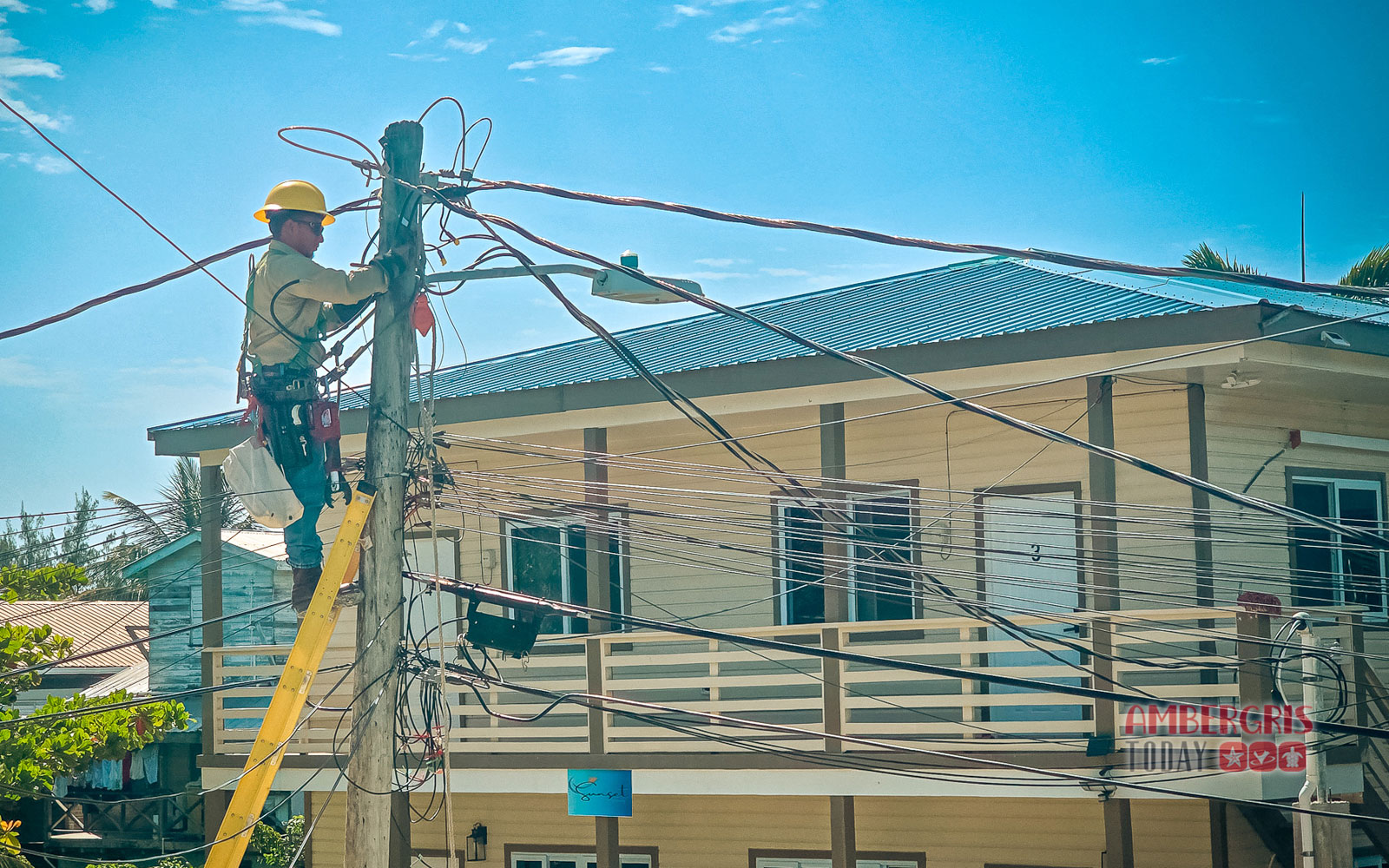
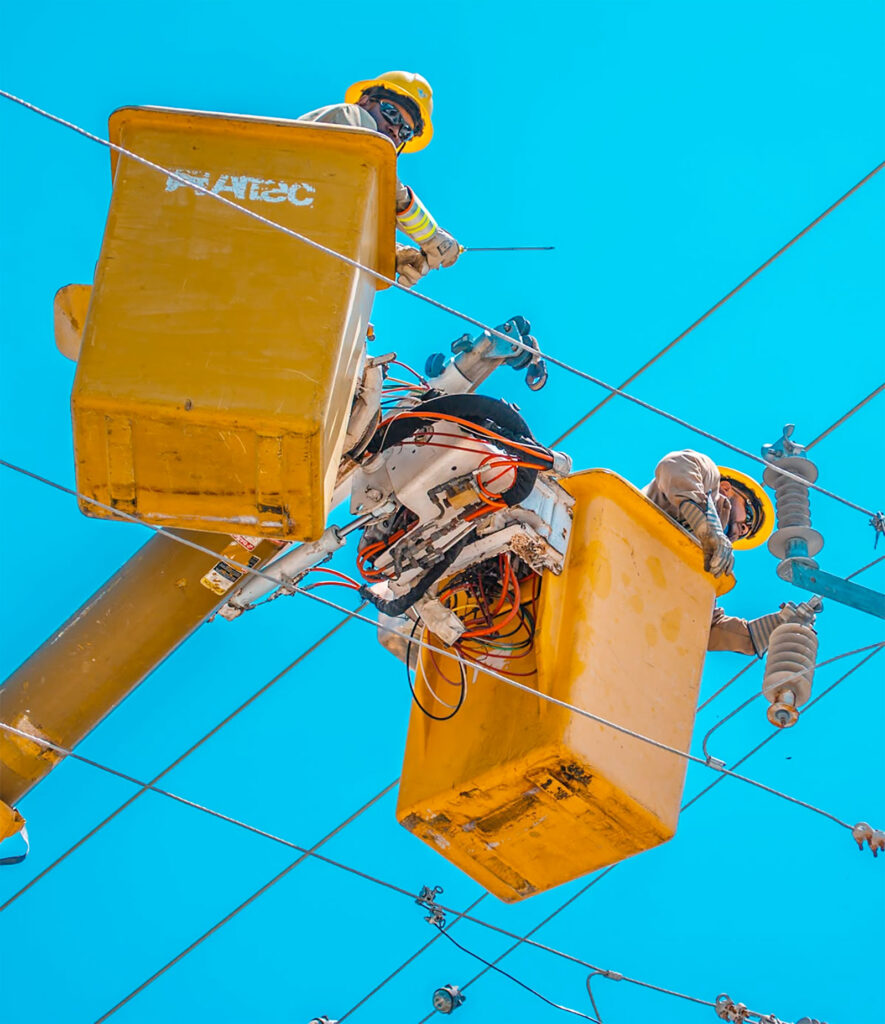
BEL employees working on transmission lines, substations and emergency restoration are not the enemy here. Many of them work long hours under difficult conditions whenever something goes wrong. But the institution, its leadership, the Public Utilities Commission and, most importantly, the Government of Belize, have a responsibility to provide the country with a dependable electricity system.
The Government cannot pretend it is simply an observer; BEL is overwhelmingly publicly owned. The Government of Belize holds approximately 65.9% of the company, while the Social Security Board owns another 31.27%. Combined, public-sector ownership exceeds 97%. This is therefore very much a national policy issue. Electricity is no longer a luxury, it is fundamental infrastructure, just like roads, water and telecommunications. Our economy cannot function without it.
There Are Solutions, But Belize Needs Them Faster
In January, BEL, the Government of Belize and the International Finance Corporation launched the development process for up to 80 MW of utility-scale solar generation at three or four locations across Belize. The project specifically aims to reduce dependence on imported electricity, strengthen energy security and help Belize reach its target of 75% renewable electricity generation by 2030.
There is also the US$77 million Saudi Fund for Development energy project, originally envisioned as 60 MW of solar generation. Government has since discussed restructuring that project to incorporate battery storage, reportedly looking at approximately 40 MW of solar coupled with 20 MW of battery storage.
Those are encouraging developments.
But Belizeans have every right to ask: When?
The Saudi-funded project dates back to 2023, and as recently as June 2026 it had still not begun construction while the design was being reconsidered. We cannot announce our way out of an electricity crisis. Projects must move from press conferences, financing agreements and beautiful presentations to solar panels, batteries, substations and actual megawatts entering the national grid.
What I Believe Needs to Happen
First, Belize needs to treat energy independence as a national priority. That does not mean disconnecting ourselves from Mexico. CFE should remain part of a diversified electricity supply. But imported electricity should strengthen our grid, not be the difference between having electricity and nationwide load shedding. We need enough dependable domestic generation and reserve capacity to withstand the temporary loss of Mexican supply without throwing large portions of the country into darkness.
Second, government needs to fast-track utility-scale solar and battery storage. Belize has an incredible solar resource. Solar alone, however, cannot solve an evening peak-demand problem because the sun is no longer shining when households are consuming the most electricity. That is precisely why battery storage is so important.
Third, Belize needs greater diversity in its energy sources. Hydro, biomass, solar, battery storage and dependable thermal backup all have roles to play. BEL and government are also exploring greater regional interconnection, including Guatemala, which could provide another source of supply instead of depending so heavily on a single international connection.
Fourth, we need serious investment in the national transmission and distribution system. Generating electricity means little if aging or inadequate infrastructure cannot efficiently deliver it where it is needed.
Fifth, the PUC and Government need to make it easier for homes and businesses to generate solar electricity, including fair and transparent rules for distributed generation and feeding excess power into the grid.
And finally, Belize needs an energy emergency plan with measurable deadlines. Tell us exactly how much dependable capacity we need in 2027, 2030 and 2035. Tell us what projects will provide it. Tell us when construction starts. Tell us when they will be operational. Then allow the public to hold those responsible accountable if those deadlines are missed.
We Should Not Stay Quiet
Belizeans sometimes have a tendency to complain among ourselves, post our frustration on Facebook, and then eventually accept the situation. We should not accept this one. The frustration online is already obvious, consumers are flooding Facebook with complaints about electricity costs, while calls for greater scrutiny and even an independent examination of BEL’s billing practices have entered the public discussion. But the conversation needs to go beyond one month’s electricity bill. We need to demand answers about the future of our entire electricity system.
Ask BEL questions.
Ask the PUC questions.
Ask our Area Representatives and Ministers questions.
Ask why projects are delayed. Ask how much electricity Belize will need five years from now. Ask what happens if CFE cuts supply tomorrow. Ask how much reserve generation we actually have available. Ask when battery storage will become operational.
That isn’t being unreasonable. That is citizenship. We pay our electricity bills. We pay our taxes. Businesses invest millions of dollars into this country. Belizeans work hard to build homes and provide for their families. We deserve reliable electricity.
We Cannot Build a Modern Belize on an Unstable Grid
Belize talks constantly about development. We want more tourism, investment, technology, digital businesses, manufacturing, hotels, housing, electric vehicles and modern healthcare. All of those things require electricity. You cannot build a 21st-century economy on a power system where load shedding becomes normal.
And we should never allow ourselves to become comfortable with it. BEL’s explanation for the August 25 outage may be technically valid. Mexico experienced a problem, local generation was constrained, and load had to be shed to protect the grid. But explaining why the lights went out is not the same as solving the reason we were unable to keep them on. That distinction matters.
The August blackout should therefore be treated as a warning. Belize has tremendous potential to become far more energy secure. We have sunshine, hydro resources, biomass, regional connections and projects already being developed. What we need now is urgency, execution, transparency and long-term planning. The Government of Belize and BEL must ensure that five years from now we are not still issuing the same press releases, explaining the same shortages and asking Belizeans for the same patience.
Because patience does not power a refrigerator.
It does not operate a business.
It does not keep a hospital running.
And it certainly does not build a modern economy.
Belizeans deserve better, and we should not be afraid to demand it.
Click Here for More on Ambergris Today / Follow us on Instagram










2 Responses
This is so very true ! Invest in our own power plant ! We cannot be dependent on other countries that have their own issues ! Time to face reality ! All those donations , use it wisely to have a better tomorrow !
Same questions since always!!! Government don’t have any answer……